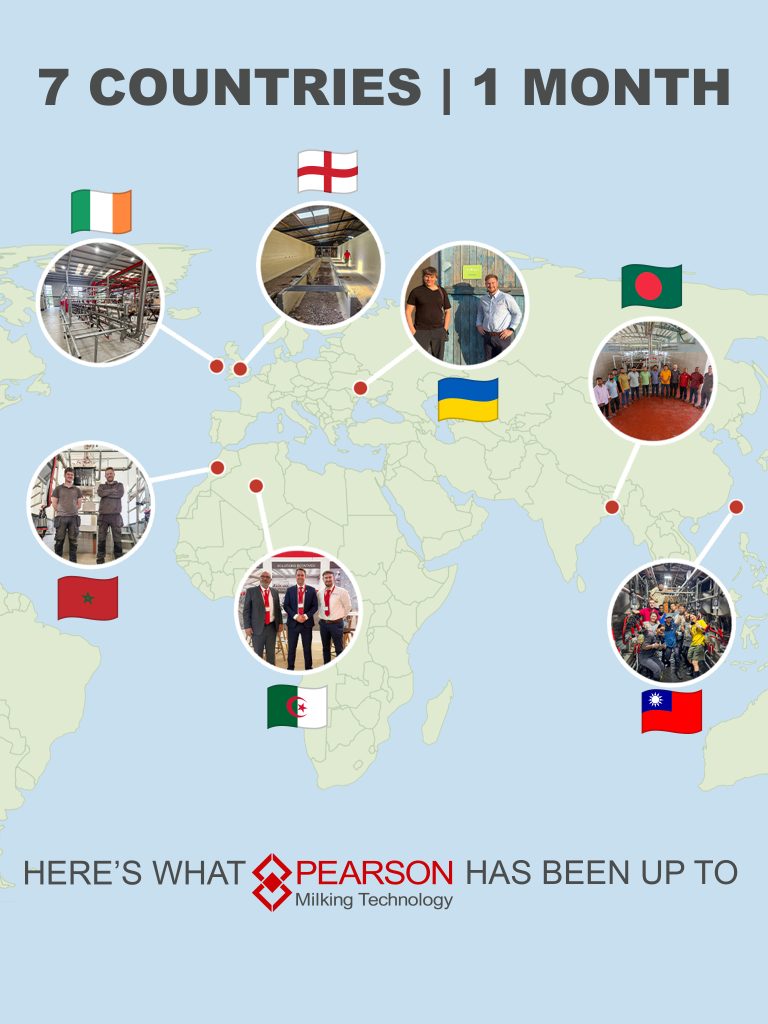


 From Taiwan to Athy — Welcome to Pearson HQ!

 And the momentum doesn’t stop there — parts for our next Taiwan project are already in transit. Watch this space!


At Pearson Milking Technology, we understand that delivering peak milking performance starts with the smallest yet most critical component of your parlour – the milking liner.
Liners are the only part of the milking machine that comes into direct contact with the cow. As such, they play a central role in mastitis control, milking efficiency, and cow comfort. That’s why proper maintenance and timely replacement of liners is essential for every dairy operation.
Pearson liners are engineered for performance and longevity, but like all rubber components, they must be replaced after 2,000 milkings or every six months – whichever comes first. Sticking to this schedule ensures consistent milking, reduces the risk of infection, and prevents avoidable teat damage.
When installing new liners, it’s crucial they are fitted correctly and securely. Poor installation can cause liner slip, pinched teats, and incomplete milking – all of which stress the cow and reduce yield.
While replacing liners, it’s a good time to check for other signs of wear in your milking system. Pulsation and milk tubes should be inspected for cracks, frays, or blockages – all of which can impact vacuum levels and milk flow.
To work out how often your liners need changing, you’ll need to know:
Number of cows milked
Number of milking units
Number of milkings per day
Use this simple formula:
(Number of Cows × Milkings per Day) ÷ Number of Units = Milkings per Unit per Day
2,000 ÷ Milkings per Unit per Day = Days Between Liner Changes
Example:
If you’re milking 140 cows in a 16-unit parlour, twice a day:
(140 × 2) ÷ 16 = 17.5 milkings per unit per day
2,000 ÷ 17.5 = ~114 days
In this case, liners should be changed every 115 days, or roughly twice a year in a spring-calving herd.
Worn liners can negatively impact the entire milking routine:
Reduced elasticity leads to slower milking and teat-end damage.
Early liner collapse reduces milk-out efficiency and cow comfort.
Cracks and roughness inside old liners harbour bacteria – increasing the risk of mastitis and thermoduric bacteria, which can compromise milk quality.
Thermoduric bacteria survive pasteurisation and are often found in perished rubber components. Regularly changing liners is a simple but effective step in keeping your milk quality high and cell counts low.
All Pearson liners are designed and tested to perform seamlessly with our parlour systems, delivering gentle, fast, and complete milking every time. Our specialists are available to help you set a liner replacement schedule tailored to your herd size and milking frequency.
For more information on choosing the right liner for your system or setting up a maintenance plan, get in touch with our team today.
Copyright © 2026 Pearson Milking Technology | Powered by Pearson Milking Technology


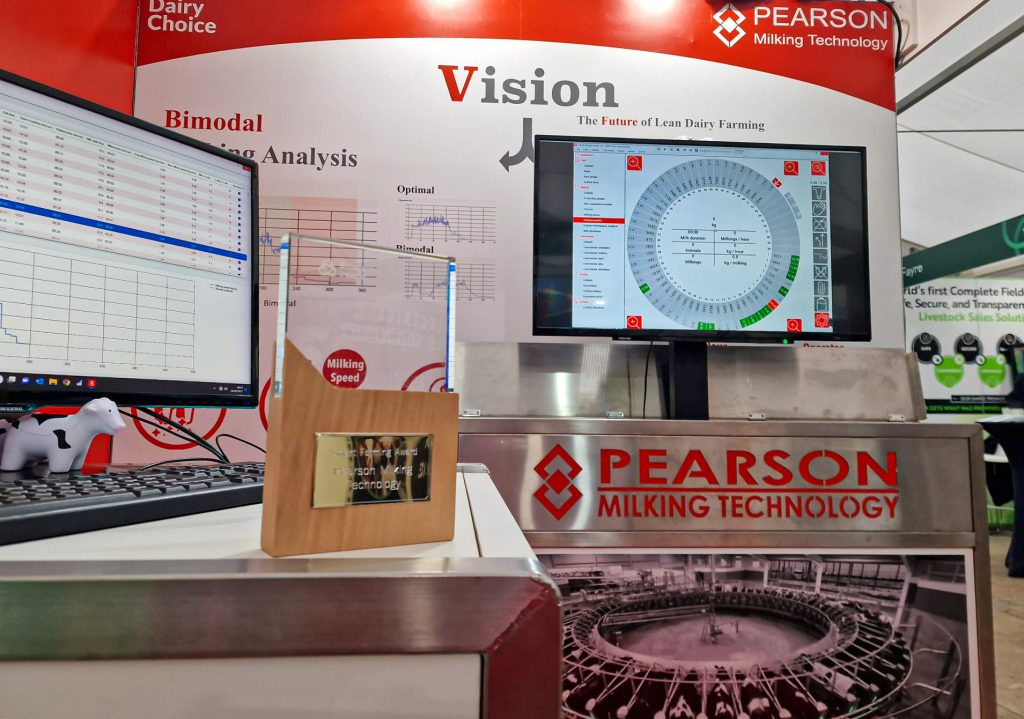
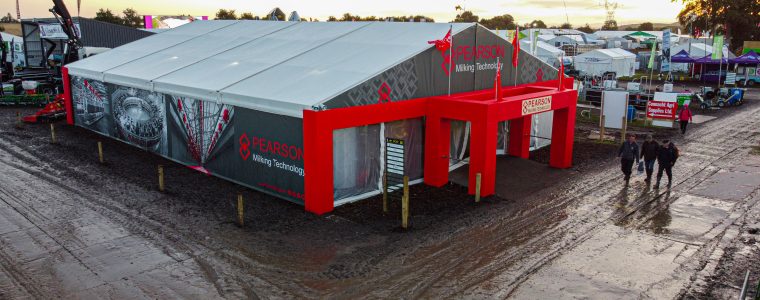
 𝗟𝗜𝗦𝗕𝗘𝗚 𝗗𝗔𝗜𝗥𝗬 𝗗𝗔𝗬
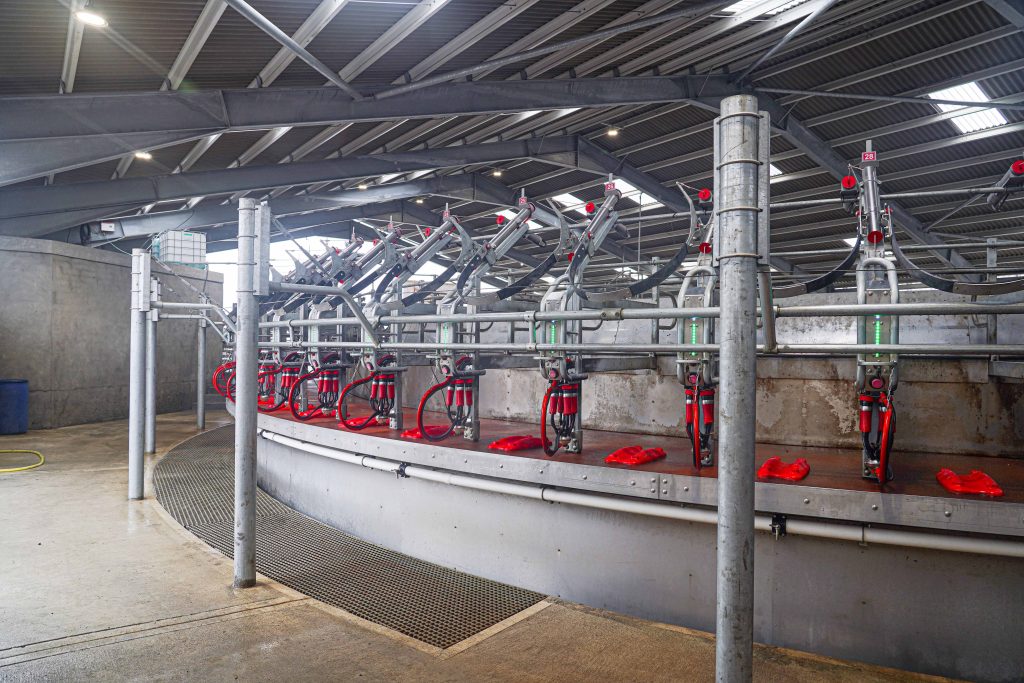
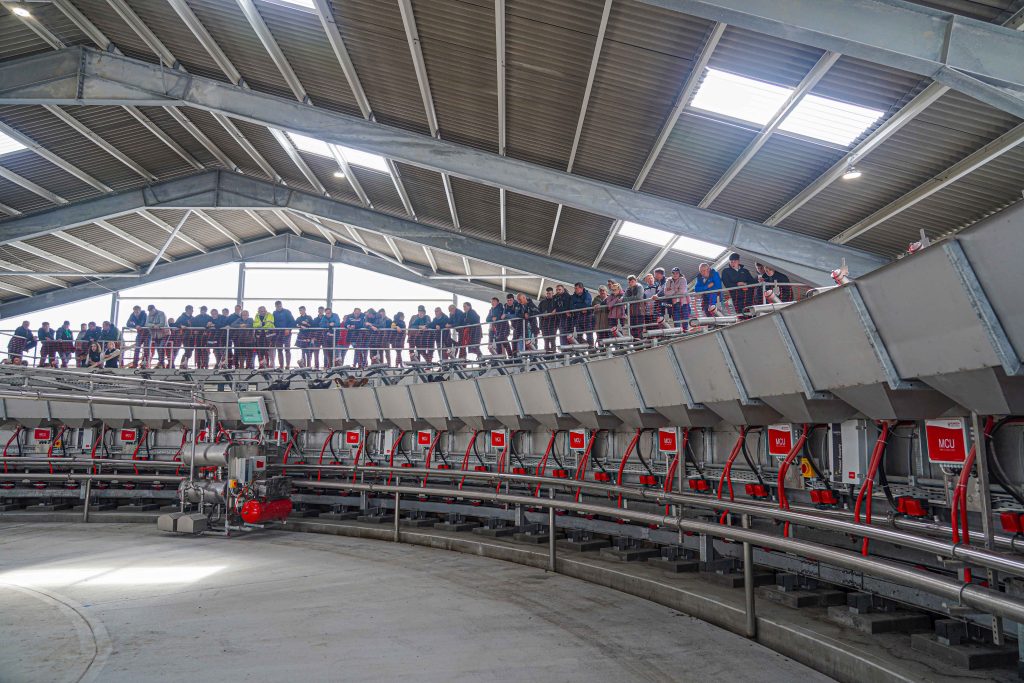
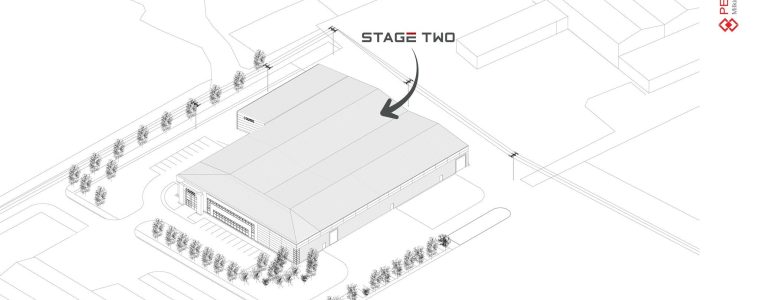
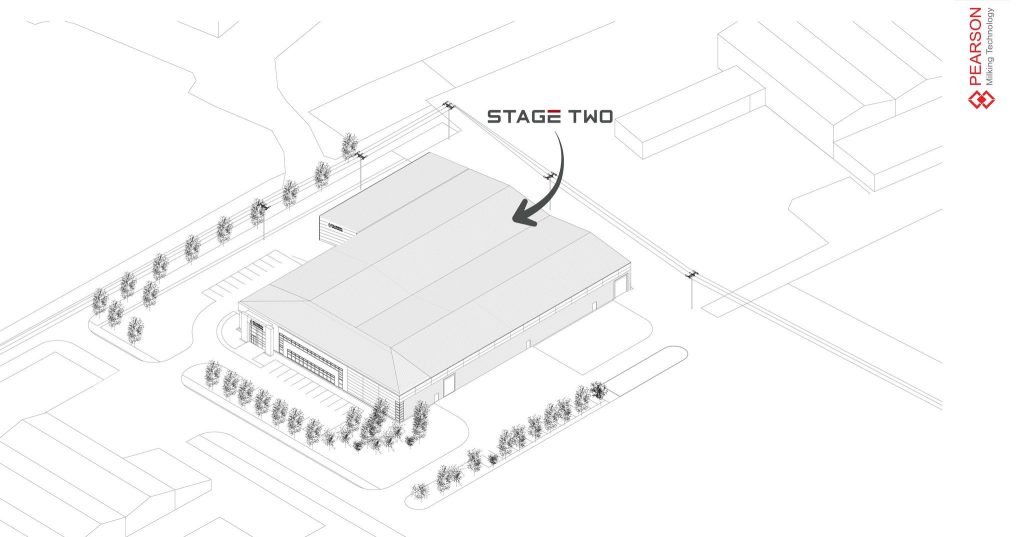
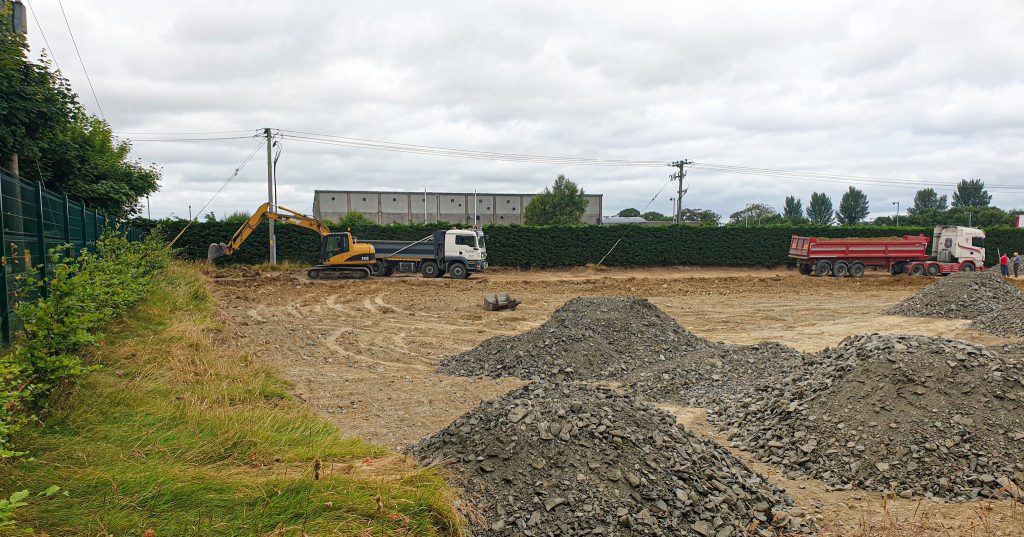
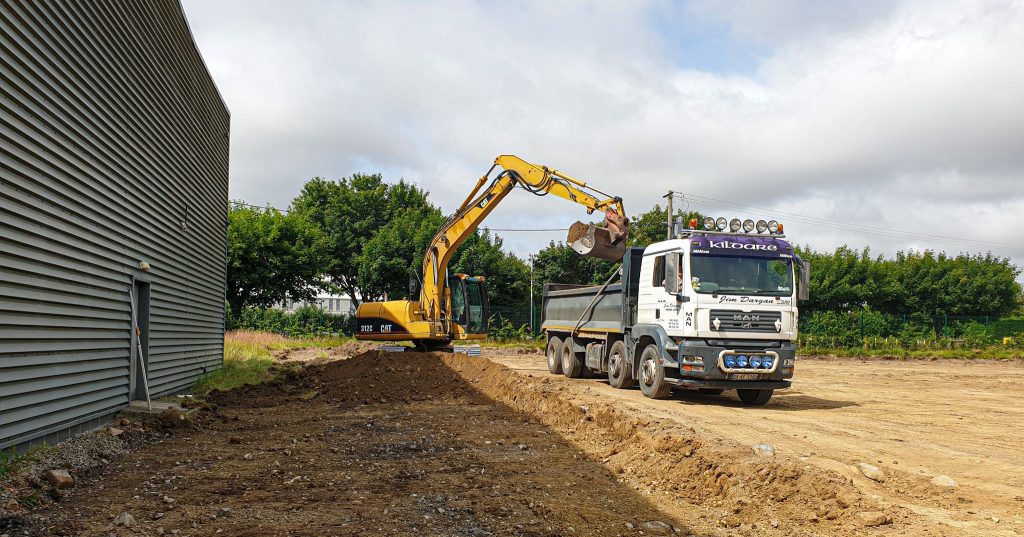
We’re thrilled to announce the launch of the next step of our ambitious infrastructure development plan.In response to the soaring demand for our products worldwide, we’re taking a giant leap forward with a massive expansion project. Our goal? To increase our production facility by 125% in stage two! That’s right, we’re gearing up to meet and exceed global sales expectations like never before. 

 Stage two is officially underway, and we couldn’t be happier to share our progress. Here’s a sneak peek of what’s happening on-site. From blueprint to reality, we’re laying down the foundation for our future growth and success. This four stage plan started in 2018 with the development of our production facility in Athy. Preparing the business for a leaner and greener future. This journey isn’t just about bricks and mortar. It’s about providing farmers worldwide with the latest in milking technology, enhancing efficiency, and our continuous innovations in the dairy industry. Started by our grandparents in 1948, their drive and ambition lives on three generations later. Stay tuned as we continue to transform dreams into reality! #thesmartdairychoice #pearsonmilking #pearsonmilkingtechnology